Solving Resin Mold Problems: A Guide to Precision Composite Tooling
Join Date: 2026-05-09
Understanding Challenges, Defects, and Engineering Solutions in Composite Mold Manufacturing
In modern advanced manufacturing, composite mold technology has become essential for producing lightweight, high-strength, and corrosion-resistant composite components.
Industries such as automotive, aerospace, wind energy, rail transportation, marine engineering, and industrial equipment increasingly rely on:
-
Composite molds
-
Compression molds
-
Carbon fiber molds
-
SMC molds
-
BMC molds
-
RTM molds
-
Thermoforming molds
However, despite the advantages of modern composite tooling, resin molds can still experience various manufacturing and operational challenges.
Common problems with resin molds include:
-
Thermal expansion instability
-
Surface deformation
-
Mold cracking
-
Resin shrinkage
-
Vacuum leakage
-
Short tooling lifespan
-
Poor surface finish
-
Structural fatigue
-
Dimensional inconsistency
At Zhejiang MDC Mould Co., Ltd., we specialize in advanced composite mold manufacturing, high-precision compression tooling, and large-scale carbon fiber mold engineering solutions for global industries.
What Is a Resin Mold?
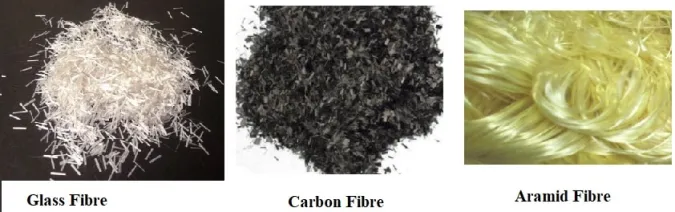
A resin mold is a tooling system manufactured using resin-based composite materials instead of traditional all-metal structures.
Modern composite mold systems are widely used in:
-
Carbon fiber molding
-
Compression molding
-
RTM molding
-
Vacuum infusion processes
-
SMC molding
-
BMC molding
-
Thermoforming applications
Common resin mold materials include:
-
Epoxy resin systems
-
Vinyl ester resin
-
Polyester resin
-
Fiberglass reinforcement
-
Carbon fiber reinforcement
-
Hybrid composite laminates
Compared with conventional steel tooling, composite molds often provide:
-
Lower tooling costs
-
Reduced mold weight
-
Faster development cycles
-
Flexible tooling design
-
Efficient prototype production
However, improper design or poor manufacturing control can lead to serious resin mold problems.
1. Thermal Expansion and Dimensional Instability
One of the most common issues in composite mold manufacturing is thermal expansion instability.
During composite production, molds are exposed to:
-
High curing temperatures
-
Repeated thermal cycles
-
Pressure loading
-
Uneven heat distribution
If the resin mold lacks sufficient thermal stability, the tooling may experience:
-
Dimensional distortion
-
Surface warping
-
Part misalignment
-
Reduced molding precision
This problem is especially critical for:
-
Carbon fiber molds
-
Compression molds
-
SMC molds
-
Large composite tooling systems
Solutions
-
Use low thermal expansion resin systems
-
Optimize reinforcement structures
-
Improve thermal management systems
-
Use carbon fiber reinforced tooling materials
2. Resin Shrinkage Problems
Resin shrinkage is another major challenge in composite mold engineering.
As thermoset resins cure, natural volumetric shrinkage may occur, causing:
-
Dimensional inaccuracies
-
Surface sink marks
-
Internal stress buildup
-
Mold deformation
-
Composite part distortion
Excessive shrinkage can significantly reduce:
-
Tooling lifespan
-
Part consistency
-
Assembly precision
-
Surface quality
Solutions
-
Select low-shrinkage resin systems
-
Optimize curing cycles
-
Improve laminate balancing
-
Control resin flow behavior
3. Surface Defects in Composite Molds
Surface quality is extremely important in high-performance composite mold manufacturing.
Common surface defects include:
-
Pinholes
-
Fiber print-through
-
Surface waviness
-
Orange peel texture
-
Gloss inconsistency
-
Fiber exposure
Poor surface quality negatively affects:
-
Composite part appearance
-
Aerodynamic performance
-
Structural consistency
-
Customer acceptance
In automotive and aerospace industries, high-precision surface quality is essential.
Solutions
-
Improve mold polishing quality
-
Use high-quality gel coat systems
-
Optimize vacuum processing
-
Reduce trapped air during lay-up
4. Mold Cracking and Structural Fatigue
Repeated production cycles may eventually lead to:
-
Mold cracking
-
Structural fatigue
-
Delamination
-
Reinforcement separation
Common causes include:
-
Insufficient mold thickness
-
Poor reinforcement design
-
High thermal stress
-
Improper curing temperatures
-
Mechanical stress concentration
Large compression molds and carbon fiber molds are particularly vulnerable if not properly engineered.
Solutions
-
Strengthen mold reinforcement structures
-
Use finite element analysis (FEA)
-
Optimize rib distribution
-
Improve structural load management
5. Vacuum Leakage Problems
In vacuum infusion and RTM manufacturing, vacuum integrity is critical.
Leaks in composite molds can result in:
-
Void formation
-
Dry fiber areas
-
Incomplete resin infusion
-
Poor structural performance
-
Reduced composite quality
Common leakage sources include:
-
Seal failures
-
Surface cracks
-
Poor flange design
-
Damaged vacuum channels
Solutions
-
Improve sealing systems
-
Conduct vacuum leak testing
-
Use high-quality sealing materials
-
Optimize flange geometry
6. Limited Heat Resistance
Some resin molds cannot withstand high-temperature composite manufacturing processes.
Applications such as:
-
Carbon fiber prepreg molding
-
Autoclave composite curing
-
High-pressure compression molding
require tooling systems with excellent thermal resistance.
If the mold material lacks thermal stability, the tooling may experience:
-
Thermal degradation
-
Softening
-
Surface distortion
-
Reduced mold lifespan
Solutions
-
Use high-temperature epoxy systems
-
Improve thermal reinforcement design
-
Optimize heating and cooling systems
-
Use hybrid composite tooling structures
7. Short Tooling Service Life
Low-quality composite molds may fail prematurely under high-volume production conditions.
Common causes include:
-
Poor material selection
-
Weak structural reinforcement
-
Improper manufacturing methods
-
Insufficient thermal resistance
Short tooling lifespan increases:
-
Production downtime
-
Maintenance costs
-
Manufacturing inefficiency
-
Overall project expenses
Solutions
-
Use high-performance tooling materials
-
Improve mold engineering standards
-
Implement preventive maintenance
-
Optimize process control systems
The Importance of Professional Composite Mold Engineering
Modern composite mold manufacturing requires advanced engineering capabilities and precision process control.
Professional mold manufacturers must carefully consider:
-
Material compatibility
-
Thermal expansion behavior
-
Structural load distribution
-
Vacuum system integration
-
Pressure resistance
-
Curing cycle optimization
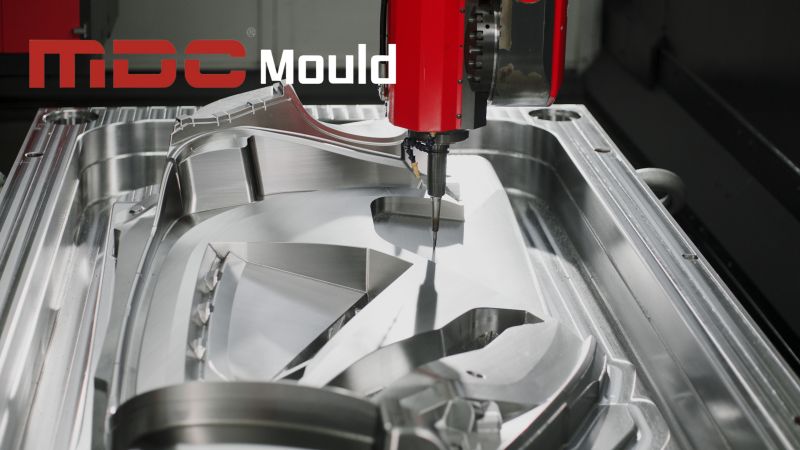
At MDC Mould, advanced CNC machining and precision tooling technologies are used to manufacture:
-
Composite molds
-
Compression molds
-
Carbon fiber molds
-
SMC molds
-
BMC molds
-
RTM molds
-
Thermoforming molds
Applications of Composite Molds
Modern composite tooling systems are widely used in:
-
Automotive lightweight structures
-
EV battery enclosures
-
Aerospace composite components
-
Wind energy systems
-
Medical equipment manufacturing
-
Industrial machinery
-
Rail transportation systems
-
Marine composite structures
Future Trends in Composite Mold Technology
The future of composite mold engineering is moving toward:
-
High-temperature composite tooling systems
-
Carbon fiber reinforced molds
-
Automated process monitoring
-
AI-assisted manufacturing optimization
-
Large integrated composite structures
-
Lightweight high-strength tooling technology
As advanced composites continue replacing traditional materials, demand for high-performance composite molds and precision tooling systems will continue growing globally.
Why Choose MDC Mould?
At Zhejiang MDC Mould Co., Ltd., we specialize in:
-
Composite mold manufacturing
-
Compression tooling engineering
-
Carbon fiber mold development
-
SMC mold production
-
BMC mold solutions
-
RTM tooling systems
-
Large composite structures
-
Precision CNC machining
We are committed to providing:
-
High-precision tooling quality
-
Long mold service life
-
Reliable production performance
-
Professional engineering support
-
Efficient project management
Conclusion
So, what are the common problems with resin molds?
Common challenges include:
-
Thermal instability
-
Resin shrinkage
-
Surface defects
-
Mold cracking
-
Vacuum leakage
-
Heat resistance limitations
-
Short tooling lifespan
However, with advanced composite mold engineering, optimized material selection, and professional manufacturing technologies, these problems can be effectively minimized.
As industries continue demanding lightweight, high-strength, and high-performance composite structures, advanced composite molds, compression molds, and precision composite tooling systems will remain essential for modern manufacturing success.
