
Specialize in Compression molds
Compression molds operate under repeated heating, closing pressure, material contact, and mechanical movement. These conditions can gradually affect forming surfaces, parting lines, vents, alignment, and moving components.
A structured maintenance approach helps identify wear before it develops into recurring flash, demolding problems, inconsistent part quality, or production downtime. This guide covers practical inspection and preventive care for SMC, BMC, GMT, and LFT compression tooling.
A compression mold is a precision production tool. Its performance depends on the condition of the cavity, parting interfaces, venting features, guiding components, and heating system. Maintenance requirements vary with material characteristics, operating conditions, production volume, and mold design.
There is no universal maintenance interval for every compression mold. Inspection frequency should reflect production cycles, material type, operating conditions, mold complexity, and previous maintenance findings.
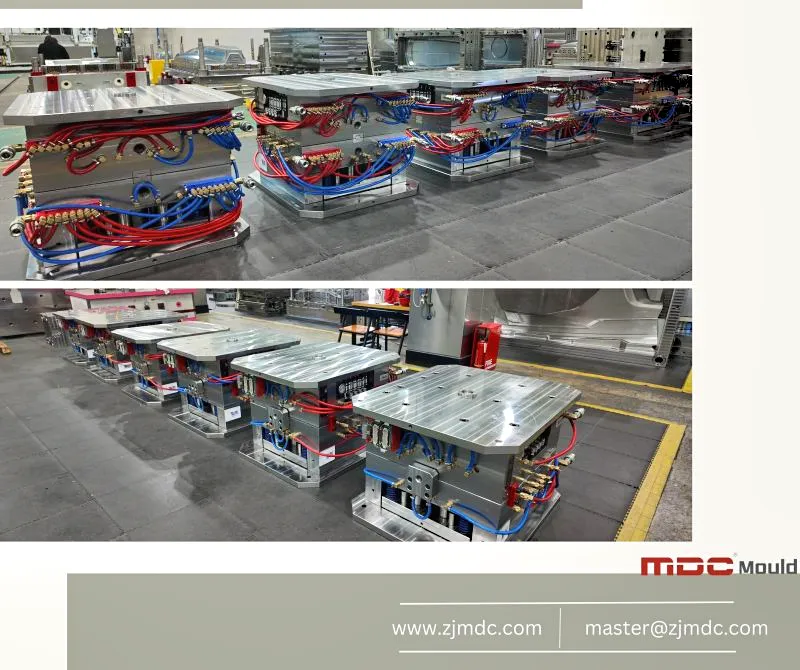
Inspect cavities for scratches, dents, corrosion, residue buildup, and localized wear. Cleaning tools and chemicals should be compatible with the mold material, surface finish, and any applied coating.
Check parting lines for trapped material, impact marks, uneven contact, or changes in flash patterns. Avoid unapproved grinding or polishing of mating surfaces because these operations may affect mold closure and dimensional accuracy.
Check the alignment of the upper and lower mold sections, locating features, and relevant mounting interfaces. Uneven contact, abnormal wear marks, or recurring flash in localized areas may indicate an alignment or closing issue.
Verify the condition against the tooling design and press setup before making adjustments. Do not correct suspected alignment problems by removing material from mating surfaces without an engineering assessment.
Cleaning and lubrication procedures should follow the tooling manufacturer's recommendations. Aggressive polishing, unsuitable chemicals, or excessive lubricant can create additional quality problems.
The following table lists possible mold-related factors, not definitive root causes. Material condition, charge placement, temperature, pressure, and press operation should also be reviewed during troubleshooting.
| Observed Issue | Possible Mold Factors | Recommended Check |
|---|---|---|
| Excessive flash | Parting line residue, wear, damage, or alignment changes | Inspect parting surfaces, mold alignment, and closing conditions |
| Surface scratches | Debris, unsuitable cleaning tools, or cavity damage | Check cavity surfaces, cleaning methods, and demolding conditions |
| Incomplete surface filling | Blocked vents or unsuitable mold conditions | Inspect vent passages and review material and molding parameters |
| Difficult demolding | Surface buildup, damage, or moving-part problems | Check forming surfaces, surface condition, and ejector components where fitted |
| Abnormal opening or closing | Guide wear, binding, misalignment, or mechanical damage | Inspect guide components, slides, locating features, and interfaces |
| Temperature variation | Heater, sensor, wiring, or control faults | Verify heating components and compare actual temperatures with set values |
When a defect repeatedly appears in the same location, compare production records and inspect the corresponding mold area. If the problem started after maintenance or repair, review the work performed and verify the affected dimensions and surfaces.
Repair may be necessary when inspection identifies significant surface damage, wear, alignment changes, heating faults, or recurring defects confirmed as tooling-related. Before repair, assess the affected area against the original design requirements and determine whether the proposed work could affect dimensions, surface finish, or mold closure.
After repair, verify the affected dimensions, surface condition, and mechanical function before returning the mold to production. Keep records that connect inspection findings with corrective actions and verification results.
| Maintenance Stage | Inspection Item | What to Record |
|---|---|---|
| Before Production | Cavities, parting lines, vents, guides, and heating | Cleanliness, visible wear, and readiness status |
| During Production | Part defects, flash, demolding, and mold movement | Defect location, frequency, cycle count, and process notes |
| After Production | Cleaning and surface condition | Cleaning method and observed mold condition |
| Periodic Inspection | Guides, alignment, critical dimensions, and heating | Inspection findings and measurements |
| After Repair | Repaired areas and related functions | Repair details, verification results, and approval |
| Storage | Corrosion protection and storage environment | Preservation date and storage inspection |
A useful maintenance record should also identify the mold ID, inspection date, production cycle count, responsible person, maintenance actions, and verification result. Consistent records make it easier to recognize recurring problems and plan future maintenance.
Maintenance requirements are influenced by mold design. Accessible inspection points, serviceable wear components, clearly identified lubrication locations, and practical heating-system access can simplify routine maintenance and reduce unnecessary downtime.
General inspection principles apply across different composite compression molds, but cleaning methods, operating temperatures, and maintenance intervals should be adapted to the material and tooling design.
Maintenance procedures should always be matched to the actual mold construction and the composite material being processed.
Maintenance frequency depends on production volume, material, operating conditions, mold design, and inspection history. Basic checks should be performed before and after production, while detailed inspections follow a schedule based on actual tooling condition and manufacturer guidance.
Key inspection areas include forming surfaces, parting lines, vents, mold alignment, guide components, moving parts, and heating system components according to the mold design.
Possible causes include residue or damage along the parting line, mold alignment changes, uneven closing conditions, and material or process variations. Inspect the tooling alongside compound and press conditions before making repairs.
Vents help release trapped air and volatile substances during pressing. Blockage or buildup can contribute to incomplete filling or surface defects, so vents should be cleaned carefully without changing their geometry.
Not automatically. Apply lubrication only where specified by the mold design or manufacturer instructions, and prevent excess lubricant from reaching forming surfaces where it could affect part quality.
Repair may be necessary when inspections identify surface damage, significant wear, alignment problems, heating faults, or recurring defects confirmed as tooling-related. Assess the condition before starting repair work.
General inspection and record-keeping principles overlap, but cleaning methods, operating temperatures, and maintenance intervals should be adapted to each composite material and mold design.
Maintenance records track wear trends, repairs, and recurring defects over time. They help teams plan preventive care and verify whether corrective actions have been effective.
MDC Mould works on compression tooling for SMC, BMC, GMT, and LFT composite applications. Mold design, manufacturing quality, and practical maintenance requirements all contribute to long-term production performance.
To discuss a tooling project, visit the MDC Mould equipment page or contact master@zjmdc.com with your product drawings and mold specifications.
Contact US
Email: master@zjmdc.com
Tel: +86 576 84616076
Fax: +86 576 84616079
Mobile: +86 13906573507(Mr. Wang)
Address: No.116 mochuang road, Huangyan Xinqian street,Taizhou,Zhejiang,China